
Six materials in afternoon sun, drawn on a processor.
Engine / Materials · In development
Materials an AI
can get right.
Talos Engine's material system is built to be written by an AI assistant. It describes a surface in a small file. The engine names every mistake at once, draws the result under the same lights as the reference, and says how the two differ.
- 33% to about 85%New AI assistants matching a hidden surface: before the tools, then with them. The 85% is an estimate.
- 0 to 6 of 10The hardest surface: a clay roof with moss in the joints.
- Three lightsAfternoon sun, backlight and dusk. Every material is checked under each.
In development On the engine's main line and in the Unreleased docs. Not in a released version yet. Read the materials guide
What it does
Write it. See what is wrong. Fix it.

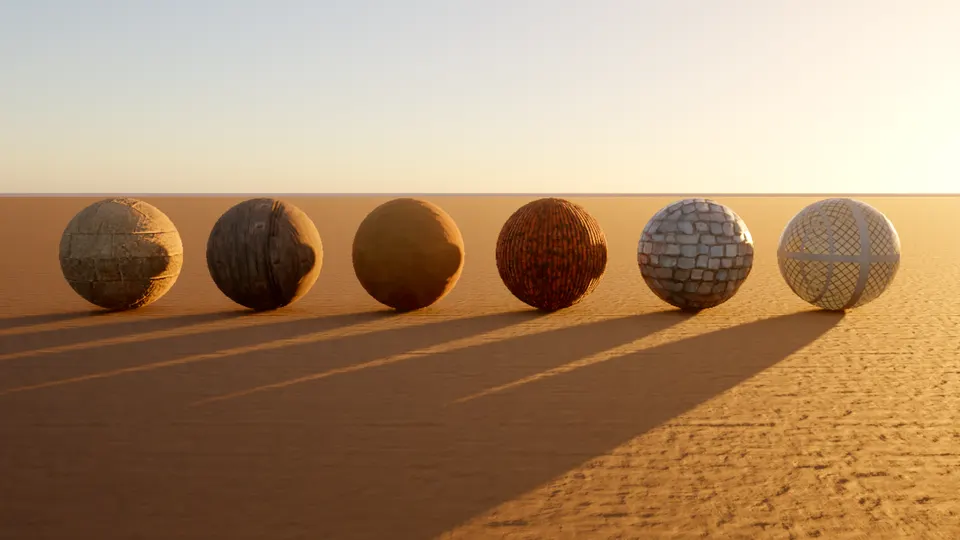
Afternoon sun from the side. 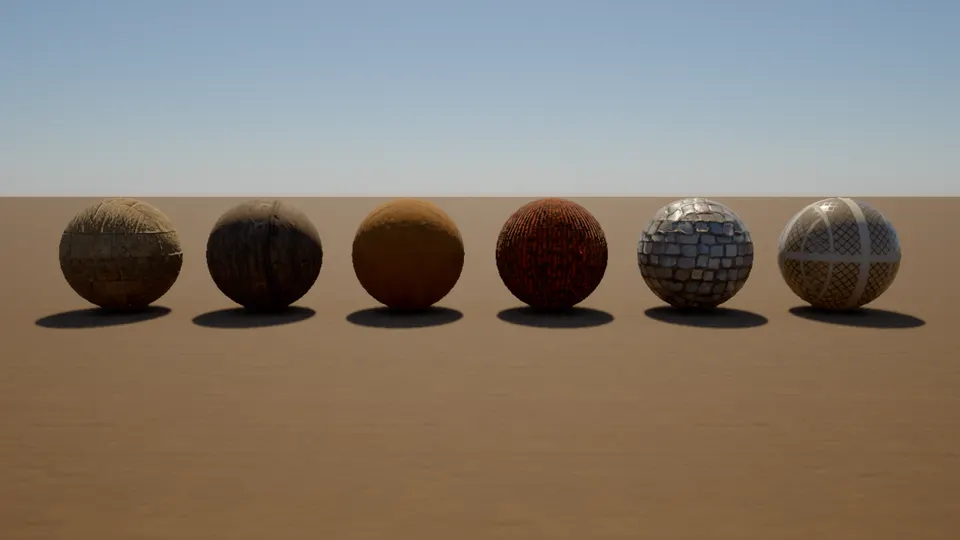
Lit from behind, where highlights and roughness show. 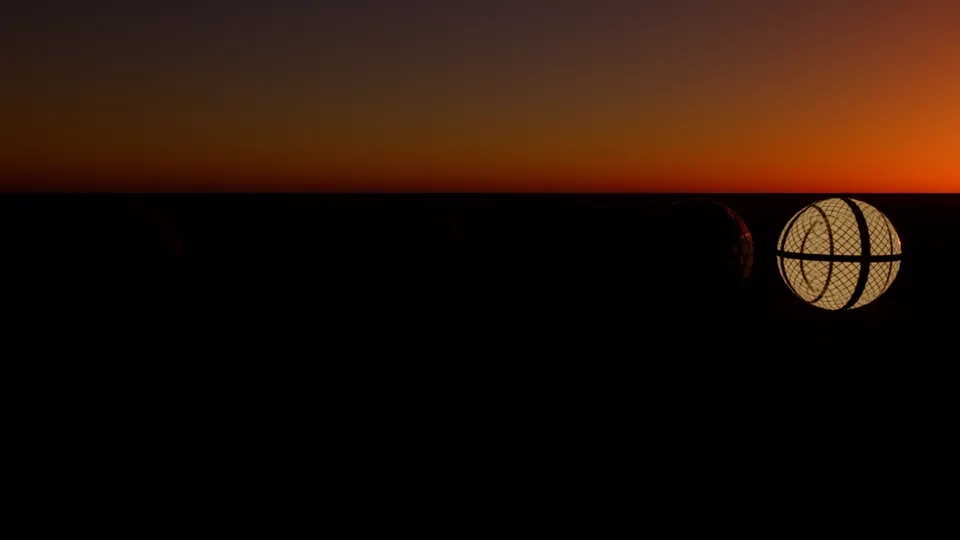
Dusk, where only the lit window glows.


Every fault at once
material.write checks a material and names every error and warning together, with what each renderer will and will not draw. No guessing why a surface came out gray.
See the difference, in numbers
material.compare draws the material under afternoon sun, backlight and dusk, with no window open, and compares it with a reference picture: color, brightness, contrast, highlights and texture scale.
Told what to change
Each gap comes with the change most likely to close it, such as "about 12% too dark: multiply baseColor by 1.14".
Pick the right texture set
Give it up to six look-alike sets and it ranks them against the reference in one call.
Recipes for real surfaces
Moss in the joints, dirt rising up a wall, worn edges, a wet street and glowing windows are each a few lines, documented where an assistant looks first.
Same in the editor
The editor's material preview draws the same scene under the same lights, so a person sees what the assistant measured.
Measured
Measured, not promised.
We gave a new AI assistant a hidden target surface and asked it to match it under two lights. Six surfaces, five tries each, and nobody fixing its work by hand. Then we added the tools one at a time.
How many of 30 tries matched the target
Measured over two days with Claude Sonnet assistants. The targets were renders under known lights, not photographs. The last bar is an estimate: five surfaces carried over from the Recipes run, plus a ten-try re-test of the roof with ranking. Other models were not tested.
The hardest surface
A clay roof with moss in the joints.
Before the tools, no assistant matched it: 0 of 15 tries. With set ranking, 6 of 10 did.

- Before the toolsThe wrong look-alike texture set, with the moss painted on.
- The targetThe surface to match.
- With the toolsIt ranked the sets and grew the moss in the joints.
Straight answers
What this is, and what it is not.
- Can I use it today?
- Not in a released version. It is on the engine's main line and documented in the Unreleased docs.
- Does it match a photograph?
- Not tested. The targets were renders under known lights, so the result says an assistant can match a surface it is shown, not any photo.
- Is the 85% a measurement?
- An estimate. 23 of 30 is measured. The roof was then re-tested ten times with set ranking (6 of 10), and the other five surfaces are carried over.
- Which AI was tested?
- Claude Sonnet, five tries per surface. Other models were not tested.
- Are these pictures from a graphics card?
- No. They were drawn on a processor at a fixed exposure. The textures are open CC0 sets, apart from the leaded window, which was made for the test.
- Do I have to use an AI?
- No. The editor's material preview names every error and shows the same three lights.
Surfaces your AI can get right.
In development now. Ask us about it in a pilot.